What is kennel cough? Symptoms, contagion and prevention
By Cão com Cão Team
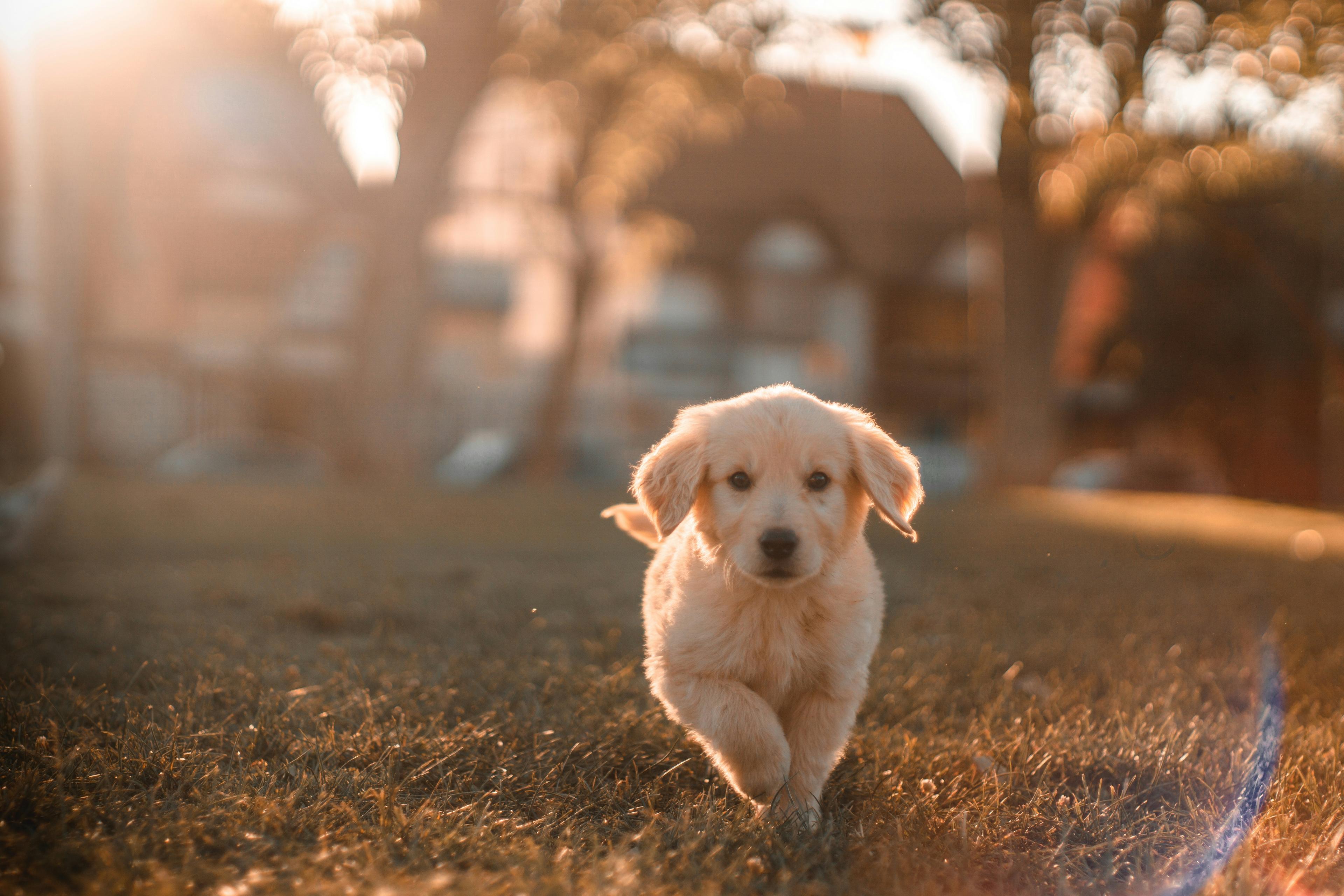
"Kennel cough" is a name that worries any owner thinking of leaving their dog at a hotel or in daycare. In reality, it's one of the most common respiratory infections — and, in most cases, one of the mildest. It's worth understanding what it actually is, so you don't avoid quality services over unfounded fears, while still knowing the signs that warrant veterinary attention.
What it actually is
Kennel cough is the popular name for canine infectious tracheobronchitis. It isn't caused by a single agent, but by a combination of viruses and bacteria — the bacterium Bordetella bronchiseptica and canine parainfluenza virus being the most frequent. It affects the upper airways, inflaming the trachea and bronchi.
It's often compared to a human cold: uncomfortable, contagious, but usually self-limiting in healthy dogs. The parallel is useful — just as we catch colds without it being a sign of neglect, a dog can pick up kennel cough even in the best of environments.
How it spreads
Transmission happens in three main ways:
- Through the air, via droplets a dog releases when coughing or sneezing.
- By direct contact between dogs (nose to nose, close play).
- Via contaminated objects — shared water bowls, toys and hands.
This is why environments with many dogs — hotels, daycares, parks, shows — are associated with the illness. It isn't the hotel itself that causes the infection; it's any concentration of animals. A dog can catch it on a walk in the park as easily as during a stay.
Symptoms: what to look for
The most characteristic sign is a dry, forceful cough, often described as if the dog had "something stuck in their throat", sometimes followed by a retching that may end in bringing up white foam. Other possible signs:
- Sneezing and mild nasal discharge.
- Watery eyes.
- A slight dip in energy and appetite.
In the simple form, the dog stays lively, eats and drinks normally. The incubation period is 2 to 14 days, which means a dog can look perfectly healthy at hotel check-in and develop symptoms days after returning home — without that telling you where they caught it.
When to worry
Most cases resolve within 1 to 3 weeks, sometimes without medication. But there are warning signs that call for a vet without delay:
- Cough with fever, listlessness or refusal to eat.
- Breathing difficulty or noisy breathing.
- Thick or greenish nasal discharge.
- Symptoms in puppies, elderly or immunocompromised dogs, which carry a higher risk of progressing to pneumonia.
In these cases the picture may have become complicated and warrants targeted treatment. When in doubt, the rule is simple: call the vet.
Prevention: the role of vaccination
There's a specific vaccine against Bordetella and parainfluenza, often required by responsible hotels and daycares. It doesn't prevent 100% of cases — much like our own flu shot — but it reduces severity and the likelihood of infection. We explain the schedule and legal requirements in Vaccination — what you need to know.
At a responsible boarding establishment, checking the vaccination record at arrival isn't bureaucracy: it's precisely the mechanism that protects every dog present.
How a good hotel reduces the risk
The choice of establishment is decisive. An attentive hotel minimises the risk through:
- Mandatory vaccination checks for every dog, no exceptions.
- Controlled capacity, avoiding overcrowding.
- Rigorous hygiene of water bowls, toys and surfaces.
- Good ventilation of the spaces.
- Daily observation that allows a symptomatic dog to be isolated early.
These are some of the criteria we detail in 10 signs of a good dog hotel. If you're preparing your dog's first stay, How to prepare your dog for their first stay will help you arrive calmer.
Treatment and recovery at home
In the simple form, treatment is supportive and the vet may recommend only rest and monitoring. In more pronounced cases, anti-inflammatories, cough suppressants or antibiotics may be prescribed (the latter only when a bacterial infection is suspected). Never medicate your dog on your own initiative — some human medicines are toxic to dogs.
To help recovery at home:
- Rest: avoid intense exercise while the cough persists.
- Harness instead of collar: pressure on the trachea from a collar worsens the cough. Use a harness on walks.
- Humid environment: the steam from a hot shower (with the dog in the bathroom, not in the shower itself) can soothe the airways.
- Isolation: keep the dog away from other dogs until fully recovered, so as not to infect them.
- Hydration and food: ensure fresh water and appetising meals.
Most dogs recover completely with no lasting effects. If the cough doesn't improve after one to two weeks, return to the vet.
In summary
Kennel cough is common, usually mild, and above all manageable. It shouldn't be a reason to deprive your dog of the socialisation and care they need — it should be a reason to choose carefully where you leave them and to keep vaccinations up to date.
Have questions about the vaccination requirements for your dog's stay? Get in touch before booking — we're happy to explain everything.